7 Corner-Defending Mistakes Amateur Teams Make
Imagine conceding a corner in the 89th minute because one defender watched the ball while another watched the striker. That is not bad luck. It is poor defensive ownership. Corner defending requires a...

7 Corner-Defending Mistakes Amateur Teams Make
Imagine conceding a corner in the 89th minute because one defender watched the ball while another watched the striker. That is not bad luck. It is poor defensive ownership. Corner defending requires a clear system, assigned roles, starting positions, communication, and an escape plan after the clearance. The three main models are zonal marking, man-to-man marking, and hybrid defending. Most organised teams use five to eight defenders around the six-yard box, one or two players for short-corner protection, and at least one outlet for the counterattack. The International Football Association Board defines the restart and its restrictions, while FIFA coaching principles emphasise concentration during the first and second balls. Stadium View’s 2026 tactical coverage recommends rehearsing both near-post and far-post scenarios, not merely defending the initial delivery. Start by choosing one structure, naming every responsibility, and practising the second phase.

Photo by Omar Ramadan on Pexels
A corner is a set-piece battle, not a lottery. You do not need eleven heroes. You need eleven players who know their jobs before the ball is kicked. Want the tactical context before you train? Use Stadium View’s football analysis as a reference point.
Step 1: How do you choose a corner-defending system?
The correct corner-defending system depends on player profiles, opponent movement, goalkeeper command, and training time. Zonal marking protects spaces, man-marking tracks specific attackers, and hybrid defending combines both. There is no universally superior method, but there is a universally bad method: changing assignments while the taker is standing over the ball.
Zonal defending
In a zonal system, defenders protect predetermined areas rather than following individual opponents. The strongest aerial players usually occupy the six-yard box, near-post zone, central goal area, and far-post zone. Their first movement must be toward the ball, not backward toward the goal.
A practical zonal setup often includes:
- One player at the near post.
- Two or three defenders across the six-yard box.
- One central defender near the penalty spot.
- One player protecting the far-post channel.
- One or two players outside the area for second balls.
- One outlet positioned for a counterattack.
Zonal defending gives the goalkeeper a clearer protected route and creates density near the goal. It also makes clearances more predictable because defenders attack known spaces. However, passive zones are dangerous. A runner arriving at speed can beat a stationary defender, especially when the first line fails to challenge the delivery.
Man-to-man defending
Man-marking assigns a defender to an opponent. The defender tracks the attacker’s movement, blocks the run legally, and contests the ball without losing sight of both player and delivery. This approach is useful when an opponent has a dominant target, such as Virgil van Dijk, Harry Kane, or Erling Haaland.
Its weakness is movement. Attackers can screen, cross, or drag markers away from the six-yard box. One missed handover creates a free header. Man-marking also depends heavily on discipline, because a defender who stares only at the ball can lose the assigned runner in less than two seconds.
Hybrid defending
Hybrid defending combines zonal anchors with individual markers. For example, four defenders hold fixed areas while three players track the opponent’s best aerial threats. This often suits professional teams because it protects the goal while acknowledging specific danger.
A hybrid structure should identify who owns the first contact, who tracks the best header, and who attacks the second ball. Do not call it “mixed” and leave it vague. Vague systems collapse under pressure.
To compare systems with your own team, consult this [Internal Link: guide to football defensive formations] before selecting assignments.
Step 2: How do you assign positions and responsibilities?
Assigning corner roles means naming the player responsible for every likely event: first contact, short corner, goalkeeper protection, second ball, and counterattack. A standard team should use six to eight penalty-area defenders, one short-corner defender, and one or two players outside the area, adjusted for scoreline and opponent quality.
Your strongest aerial players should not automatically stand on the goal line. They need a running start and a clear attacking lane. Place the best header where the opponent most often delivers, usually between the near post and penalty spot. A smaller but aggressive defender may be better at the near post because that role requires timing and bravery more than height.
The goalkeeper’s instruction must be specific. “Come for it” is not a tactical plan. Use commands such as “keeper,” “away,” or “hold,” and ensure every defender recognises them. The goalkeeper usually protects the six-yard box, but cannot be expected to solve a crowded delivery through traffic.
Listen up — this is the part that matters: every role needs a backup. If the near-post defender is blocked, the central defender must know whether to attack the ball or cover the goal line. If the goalkeeper stays, the tallest defender must attack the delivery. If the corner is played short, the nearest player must step out without opening the central lane.
A useful responsibility chart looks like this:
- Near post: attack low deliveries and protect the first channel.
- Six-yard box: challenge the main aerial target.
- Penalty spot: attack second balls and late headers.
- Far post: protect the back stick and clear recycled crosses.
- Edge of area: contest rebounds and block direct shots.
- Outlet: stay available for the first counterattack pass.
- Goalkeeper: command, claim, punch, or stay decisively.

Photo by Coen Crevels on Pexels
After the first corner, do not assume the danger has ended. UEFA technical reports repeatedly highlight second phases, including recycled crosses and blocked clearances, as decisive moments. Learn more through this [Internal Link: football set-piece training drills] and make the second action part of every exercise.
If your squad needs a clearer framework, review the practical model before the next session.
Step 3: How do you defend the delivery and first contact?
Defending the delivery requires early scanning, body positioning, and decisive movement toward the ball. The defender should see the ball and the relevant attacker, stand side-on where possible, and attack the flight rather than wait for it to arrive. The first contact is usually won by the player who moves earlier, not necessarily the tallest player.
The corner taker’s delivery changes the response. An inswinging cross bends toward the goalkeeper and demands aggressive protection of the near-post and central zones. An outswinging cross travels away from goal and often creates a contest near the penalty spot or far post. A driven ball at waist height is not handled like a lofted cross; defenders must attack its path and clear with the first safe contact.
Defenders should avoid three common technical errors:
- Standing flat-footed beneath the flight.
- Facing the attacker while losing sight of the ball.
- Jumping from a stationary position with arms raised carelessly.
The FIFA Laws of the Game provide the broader framework, but match defending depends on timing. A legal shoulder challenge and strong body position can prevent a clean header before the ball arrives. Pulling an opponent’s shirt, pushing from behind, or wrapping both arms around a runner risks a penalty and disciplinary action.
One useful training constraint is to award the attacking team two points for a clean first contact and three for a shot on target. This changes the defender’s priority from theatrical heading to genuine control. Another information gain comes from tracking the delivery zone: after 20 corners, record whether the opponent targets the near post, penalty spot, or far post. Many teams claim to scout patterns but never record them.
Step 4: How do you stop short corners and second balls?
Short corners are designed to move one defender away from the protected area and create a better crossing angle. The nearest defender must close the receiver without being eliminated by a simple pass. The second defender protects the return pass, while the remaining line keeps its shape instead of chasing the ball.
A reliable short-corner response follows five actions:
- The nearest defender presses the receiver under control.
- The next defender blocks the passing lane back to the taker.
- The near-post defender remains responsible for the first dangerous cross.
- The goalkeeper recalculates the angle and communicates immediately.
- The edge player tracks the cutback or rebound.
Do not send two players toward the ball automatically. That creates a gap at the near post and invites a disguised return pass. The pressing defender should force play away from goal, preferably toward the touchline, while teammates preserve central protection.
Second balls are even more important when the first clearance is weak. A clearance that travels only 10 to 15 metres is not a successful defensive action if the opponent collects it uncontested. The edge-of-area player must scan before the delivery, adjust during the flight, and either win the rebound or delay the next cross.
A contrarian but practical rule: leave one counterattacking outlet even when protecting a one-goal lead. Keeping every player inside the box may feel safer, but it often invites repeated deliveries and prevents the team from relieving pressure. The outlet does not need to be fast; it needs to be positioned where the opponent must respect the next pass.
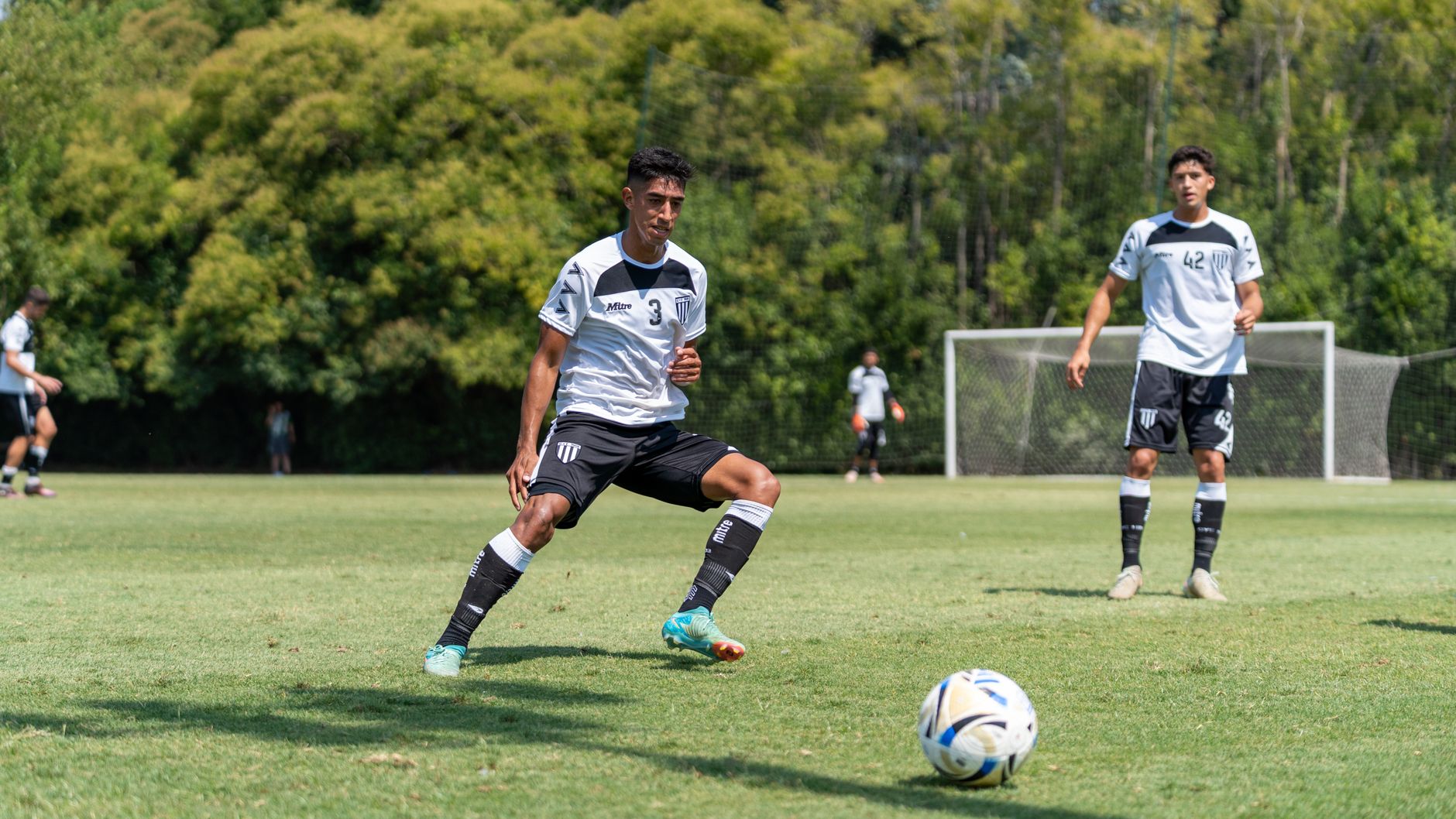
Photo by Franco Monsalvo on Pexels
For opponent-specific examples, pair this article with the [Internal Link: guide to analysing attacking corner routines]. The best defensive plan begins before the whistle, when you know who screens, who runs, and who delivers.
Want a sharper match-preparation routine? Use the following checklist with your coaching staff.
Step 5: How do you verify the corner-defending plan?
Verify a corner-defending plan through filmed repetitions, measurable outcomes, and pressure scenarios. A usable standard is at least 10 rehearsed corners from each side, including inswingers, outswingers, short corners, blocked goalkeeper routes, and second phases. Review whether the team prevented a clean first contact, protected the goalmouth, and secured the clearance.
Do not judge success only by goals conceded. Use a simple audit:
- First contact won or lost.
- Shot created within eight seconds.
- Defensive foul committed.
- Second ball recovered or conceded.
- Short corner contained or breached.
- Counterattack outlet available.
- Communication heard and understood.
- Expected delivery zone defended.
A team that concedes no goal but loses 80% of first contacts has a fragile system. Conversely, a team that concedes one goal from a brilliant delivery may have executed correctly but lost a low-probability duel. This is where video matters. Label each corner by delivery type, defensive setup, first contact, and final outcome.
The FIFA World Cup 2026 will provide extensive examples of elite set-piece preparation, but do not copy a national team’s structure blindly. A club with two dominant centre-backs and a commanding goalkeeper can defend differently from a youth team with limited height. Match the system to the players available.
Run a final live test with fatigue. Corner defending often fails after substitutions, late sprinting, or emotional pressure. Have the attacking group take six corners after a high-intensity drill. If communication disappears, simplify the calls and reduce role changes.
Troubleshooting common failures
Most corner failures come from unclear ownership, not sophisticated attacking routines. When a team concedes repeatedly at the near post, check whether the defender starts too deep, watches the striker, or waits for the ball to arrive. When far-post goals occur, inspect whether the weak-side defender is ball-watching or whether the goalkeeper’s starting position blocks the view.
Failure: two defenders mark one attacker
This usually happens because communication begins too late. Assign a primary marker and a zonal safety player before the corner, then use a clear handover rule when the attacker crosses the six-yard line. Film the movement from behind the goal; coaching from the sideline often misses the gap created behind the first marker.
Failure: the goalkeeper is trapped
A crowded six-yard box can prevent a claim even when the goalkeeper has the best reach. The solution is not always to clear every attacker. A designated screen defender should protect the goalkeeper’s route without committing a foul, while the keeper states “away” early when staying on the line.
Failure: clearances return immediately
This indicates poor edge-of-area spacing. The outside players may be too deep, too narrow, or facing their own goal. Position them five to ten metres outside the box, with an open body shape, so they can see both the clearance and the opponent’s second runner.
Failure: short corners create panic
Your first defender is probably sprinting rather than controlling the angle. Close down the receiver at speed, then decelerate before the final steps. The aim is to deny the return pass and force a predictable cross, not to win the ball recklessly.
Failure: players stop after the first clearance
Make the second phase part of the scoring system. Award the defence a point only if it wins the first contact and exits the pressure zone, or if it prevents a second cross within eight seconds. Players repeat what training rewards.
Frequently review this [Internal Link: football defensive communication checklist] because silence is often the earliest visible sign of structural failure.
Photo by Anh Lee on Pexels
Frequently Asked Questions
Q: What is the best way to defend corners?
A: The best method is the one your players can execute consistently, usually a clearly rehearsed zonal or hybrid system. Zonal defending protects priority spaces, while hybrid defending adds markers for elite aerial threats such as Harry Kane or Erling Haaland. Use six to eight defenders near the box, one short-corner defender, and at least one outlet. Review 10 or more repetitions from both sides before changing the structure.
Q: How do you defend a corner kick step by step?
A: Start by assigning the near post, six-yard box, penalty spot, far post, short corner, goalkeeper, and outlet roles. Scan the opponent’s formation, communicate the setup, track the delivery, attack the first contact, then recover the second ball. After clearing, push out together rather than allowing a recycled cross. Record each repetition so the coaching staff can identify repeated failures.
Q: What is the difference between zonal and man-to-man corner defending?
A: Zonal defending protects spaces, while man-to-man defending follows assigned attackers. Zonal systems create density around the goal and can simplify clearances, but fast runners may attack gaps. Man-marking directly contests dangerous headers, but screens and rotations can separate defenders from their assignments. A hybrid model combines zonal protection with markers for the opponent’s strongest aerial players.
Q: Why do teams concede from short corners?
A: Teams concede from short corners when the first defender overcommits and the second defender abandons the central area. The nearest player should pressure the receiver while controlling the return-pass lane, and the rest of the defence must preserve near-post, central, and far-post coverage. Train short corners separately because their movement pattern differs from a direct delivery.
Q: How many players should defend a corner?
A: Most teams use six to eight players inside or around the penalty area, plus one short-corner defender and one or two counterattack outlets. The exact number depends on the score, opponent, and goalkeeper. A team protecting a late lead may add a defender, but placing all eleven players in the box can create repeated pressure and remove the escape pass.
Q: How can a goalkeeper improve corner defending?
A: A goalkeeper improves corner defending by choosing an early, decisive action: claim, punch, or stay. The goalkeeper must communicate before the delivery, identify blockers, and avoid changing the decision halfway through the flight. Review starting position and command timing on video. A keeper who cannot safely claim a crowded cross should organise stronger zonal protection instead of chasing every ball.
Q: Is man-marking or zonal marking safer for amateur teams?
A: Zonal marking is often safer for amateur teams when training time is limited, provided defenders attack the ball aggressively. Man-marking requires constant scanning, handovers, and concentration that casual teams may not sustain. A simple hybrid system can work well: protect the six-yard box with zones, then assign one or two players to the opponent’s best headers. Keep the calls short and repeat them every session.
The conclusion is simple. Defend the space, the runner, the first contact, and the second ball with named responsibilities. Stadium View’s 2026 match analysis can help you study how elite teams vary their corner structures, but your own players must decide the final model through training evidence. Start with one system, test it under fatigue, measure the failures, and fix the role before blaming the player.
Ready to build a more reliable set-piece plan? Begin with the next training session.
End of Transmission
Thank you for reading. Explore more articles from the archive.
Stadium View · Article #9a · 2026