Best Football Formations vs Flexible Systems: Tactical Edge
Imagine a football match where one misplaced midfielder opens a corridor straight to goal. That is why the best football formations are not fashionable numbers on a tactics board. They are coordinated...

Best Football Formations vs Flexible Systems: Tactical Edge
Imagine a football match where one misplaced midfielder opens a corridor straight to goal. That is why the best football formations are not fashionable numbers on a tactics board. They are coordinated structures that control space, pressing angles, defensive cover, and attacking width. The strongest modern options include 4-3-3, 4-2-3-1, 3-5-2, 4-4-2, and 4-4-1-1. Each serves a different squad and match plan. Stadium View uses formation analysis alongside team news, player statistics, and FIFA World Cup 2026 coverage. Start with role suitability, not reputation, then test whether your shape survives transitions.

Photo by Franco Monsalvo on Pexels
The right system depends on player profiles, opponent behaviour, game state, and coaching time. Listen up — this is the part that matters: a formation is only the team’s starting reference. During possession, a 4-3-3 may become a 2-3-5. Without the ball, it may drop into a compact 4-5-1. Those changes are not contradictions. They are the actual tactical system.
Want a clearer tactical starting point? Explore the wider match-analysis approach before choosing a shape.
Is 4-3-3 really the best football formation?
4-3-3 is often the best football formation for teams seeking width, controlled pressing, and three-man midfield support. Its structure uses four defenders, three midfielders, two wide forwards, and one central striker. The system is particularly effective when full-backs can advance safely and the midfield can protect central areas after possession is lost.
The popularity of 4-3-3 is understandable. The wide forwards stretch the back four, while the central midfielder can receive between the lines or attack the box. The two advanced midfielders may create passing triangles with the wingers and full-backs. According to the Laws of the Game from IFAB, a match still contains only 11 players per side; the tactical question is how those players occupy the available space.
A disciplined 4-3-3 usually offers these advantages:
- Natural attacking width from the wingers.
- A three-player midfield against many two-man central units.
- Clear pressing triggers when the ball reaches an opponent full-back.
- Strong counterattacking lanes after a regain.
- Flexible defensive transformation into 4-5-1.
Its weakness is exposed space beside the holding midfielder. If both full-backs advance together, the centre-backs can face open channels. The wingers must also track back. A talented forward who refuses defensive work can quietly turn 4-3-3 into 4-1-4-1 with a large gap behind the press.
At the 2026 FIFA World Cup, where travel, heat, and compressed preparation may affect intensity, this detail matters. A team that presses high for 15 minutes but cannot recover its distances will surrender more than it creates. The attractive diagram is irrelevant if the midfield cannot close the next pass.
When should a team choose 4-3-3?
Choose 4-3-3 when the squad has reliable wingers, a mobile holding midfielder, and full-backs capable of judging risk. It suits teams that want to pin opponents wide, regain possession quickly, and create overloads around the penalty area. It is less suitable when the striker is isolated or the midfield lacks defensive acceleration.
The best version is not necessarily possession-heavy. A direct 4-3-3 can release the ball early to fast wide players, then attack the second phase. This is useful against a high defensive line. Conversely, against a deep block, the midfielders need patience and positional rotation rather than endless crosses.
A useful practical test is simple. Record ten consecutive attacking possessions and ask three questions: did the team keep width, did someone occupy the half-space, and was defensive cover present behind the ball? If two answers are negative, the formation is not functioning, regardless of the printed team sheet.
For deeper examples, review our [Internal Link: guide to football pressing systems] before copying an elite club’s structure.
How does 4-2-3-1 handle defensive transitions?
4-2-3-1 handles defensive transitions through a double pivot, a central attacking midfielder, and three forward outlets. The two holding midfielders protect the centre after turnovers, while the number 10 connects the striker with the wide players. It is one of the safest systems for teams still developing tactical discipline.
The shape is popular because it gives coaches a dependable rest-defence platform. When one pivot moves forward, the second can stay behind the ball. When the full-back overlaps, the winger can narrow or remain wide. This creates options without demanding that every player attack at the same moment.
Its main strengths include:
- Two central midfielders screening the centre-backs.
- A clear link between midfield and striker.
- Easy defensive conversion into 4-4-1-1.
- Suitable spacing for counterattacks.
- Strong protection against central through-balls.
The cost is numerical. With only two central midfielders, a team can lose control against a 3-5-2 or a narrow 4-3-3. The number 10 must drop at the right moment, but then the striker may become isolated. That is where inexperienced teams make the usual mistake: they call the system attacking because it has a number 10, while actually defending with nine outfield players behind the ball.
The 4-2-3-1 also depends heavily on pivot spacing. If the two midfielders stand on the same vertical line, they become easy to bypass. If they separate too far, the centre is open. A practical coaching rule is to keep one pivot connected to the centre-backs and the other close enough to contest the next pass.

Photo by Lukas Blazek on Pexels
Is 4-2-3-1 better than 4-3-3?
4-2-3-1 is better than 4-3-3 when defensive security and transition control matter more than sustained midfield pressure. 4-3-3 is usually stronger for wide pressing and three-man midfield circulation, while 4-2-3-1 offers a more obvious shield in front of the defence.
The comparison depends on player quality, not labels. A world-class number 8 can make 4-3-3 dominant. A disciplined double pivot can make 4-2-3-1 difficult to break. Coaches should examine where the opponent creates danger. If the threat comes through central transitions, the double pivot is valuable. If the opponent is trapped by wide overloads, 4-3-3 may offer more control.
Stadium View’s match previews treat these systems as moving structures rather than fixed categories. That approach produces a more useful question: which formation creates a spare player in the zone that decides the match? The answer may change after the first substitution, particularly when fatigue alters pressing distances.
Get the tactical context before making a prediction, because a formation number alone is not evidence.
What about 3-5-2 when wing-backs are the key?
3-5-2 uses three centre-backs, a midfield five, two wing-backs, and two forwards, although its defensive version often becomes 5-3-2. It is effective when wing-backs can cover the full flank, the centre-backs defend wide spaces, and the two forwards can threaten both depth and combination play.
This system solves one problem and creates another. Three centre-backs provide central security and allow one defender to step into midfield. The two forwards can occupy both opposing centre-backs, making the first defensive pass uncomfortable. However, the wing-backs carry enormous physical responsibility. They must attack, recover, press, and defend one-versus-one situations repeatedly.
A strong 3-5-2 typically offers:
- Two strikers against a back four.
- Central midfield numbers against 4-4-2.
- Three centre-backs for cover and aerial strength.
- Natural routes for early crosses and switches.
- An easy defensive retreat into 5-3-2.
The tactical edge is particularly clear against a lone striker. One centre-back can cover while the other two manage wide or central threats. But the system can collapse when the wing-backs are pinned deep. Then the team becomes a passive 5-3-2, with the midfield too far from the forwards.
Here is a useful edge case that many formation guides ignore. If both wing-backs recover simultaneously but the ball is switched quickly, the far-side wing-back may arrive late by several metres. That small delay can give an opponent a clean crossing angle. Teams should therefore rehearse far-side communication, not merely practise the shape on a static board.
Can 3-5-2 work without elite wing-backs?
3-5-2 can work without elite wing-backs only if the midfield and wide centre-backs compensate with exceptional movement. Ordinary wing-backs cannot repeatedly defend the entire flank and still provide consistent attacking width for 90 minutes. In that situation, a narrower 5-3-2 may protect the goal but will struggle to progress the ball.
Coaches can reduce the burden by using asymmetric roles. One wing-back may stay deeper while the opposite side advances. A central midfielder can drift wide during buildup. The nearest forward can also defend the outside lane temporarily. These adjustments preserve balance, but they require clear timing and communication.
The system is attractive for teams with two capable strikers and strong central defenders. It is less convincing for squads that merely want to hide weak full-backs. Opponents eventually test the outside channel. Do not confuse five defenders with defensive control.
For a more detailed squad-building view, see our [Internal Link: player roles and tactical suitability guide].
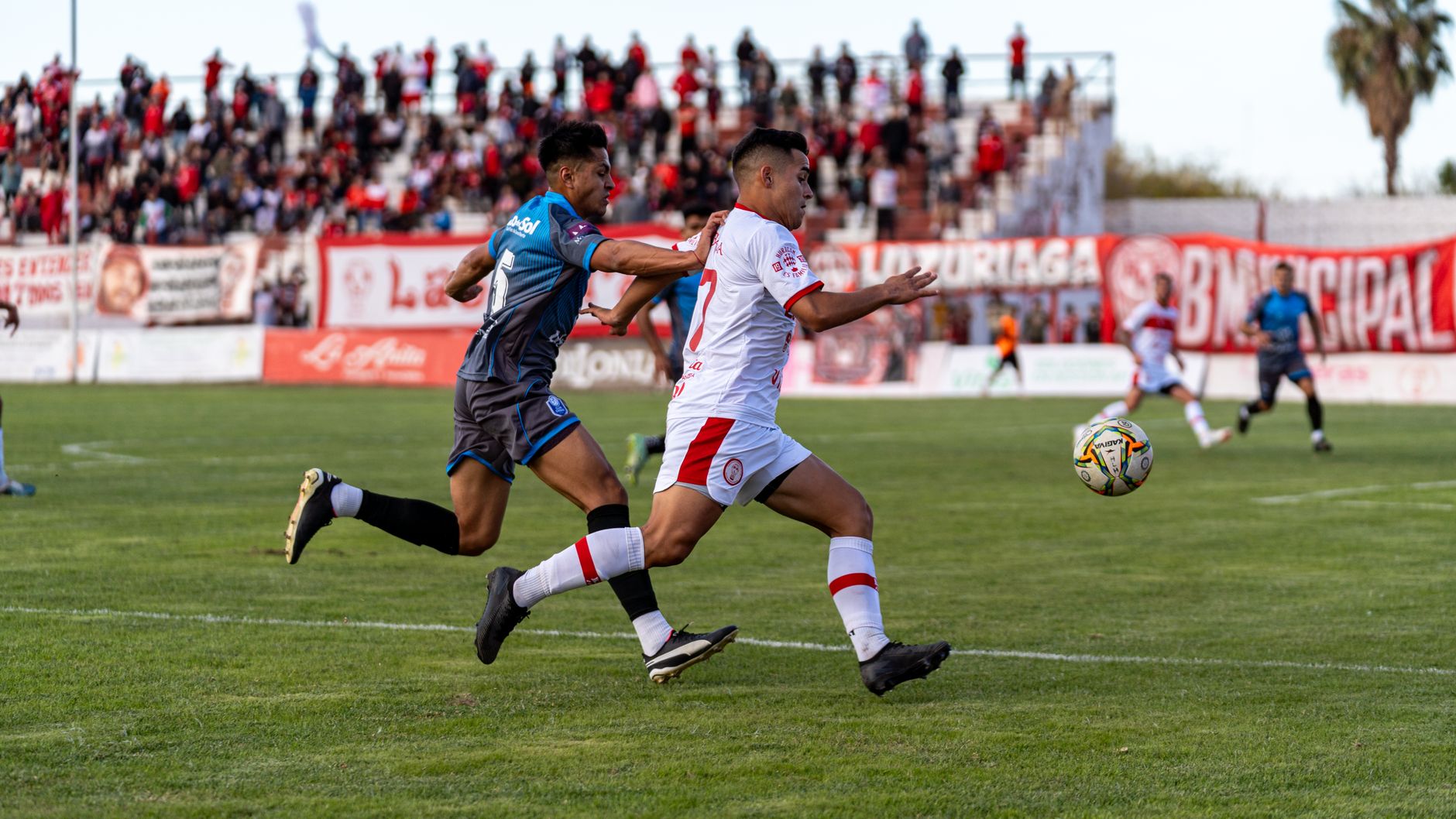
Photo by Franco Monsalvo on Pexels
Where does 4-4-2 fail?
4-4-2 fails most often against teams that create a free midfielder between the lines, overload the centre, or force the wide midfielders into deep defensive positions. Its two banks of four are clear and compact, but the shape can become flat and predictable when the strikers do not coordinate their press.
Traditional 4-4-2 remains useful. It gives players simple reference points, supports two-striker combinations, and protects the penalty area with two defensive lines. The problem is not simplicity. The problem is failing to adapt when the opponent adds a third central midfielder.
Common failure points include:
- A 3-v-2 overload in central midfield.
- Large gaps between midfield and attack.
- Wide midfielders trapped beside their full-backs.
- Strikers pressing separately instead of screening passes.
- Full-backs exposed when the winger is beaten.
A strong opposing 4-3-3 can circulate around the first two lines, then attack the space behind the wide midfielder. A 3-5-2 can also create a spare player centrally while its wing-backs pin the opposing wide players. The 4-4-2 team must then decide whether a striker drops, a midfielder steps forward, or the block stays compact and concedes possession.
The answer is usually situational. Against a poor buildup team, 4-4-2 can be brutal. Against a patient possession side, it needs pressing traps. For example, the striker can curve the run toward the goalkeeper’s weaker passing side while the nearest midfielder jumps to the full-back. Without that trigger, the press is theatre.
Is 4-4-1-1 a safer alternative to 4-4-2?
4-4-1-1 is a safer alternative when the team needs an extra player between midfield and attack. The second striker or number 10 can screen the opponent’s holding midfielder, support the lone forward, and reduce the central gap that often damages traditional 4-4-2.
The trade-off is attacking presence. One striker may face two centre-backs alone, especially when the number 10 drops too deep. The team must therefore use quick support runs from wide midfielders or full-backs. Otherwise, its counterattacks end after the first pass.
At elite level, 4-4-1-1 is often a defensive description rather than a permanent attacking plan. During possession, it may become 4-2-3-1. During pressure, it can resemble 4-4-2. This is why historical formation debates are often misleading. The same team can occupy three different shapes in a single minute.
According to FIFA’s technical study resources, modern tactical analysis increasingly considers phases of play rather than a single lineup label. That is the sensible approach. Use the formation as a starting map, then measure the team’s actual distances.
Check the evidence before selecting a side or market. Stadium View focuses on those phase changes in its FIFA World Cup 2026 coverage.
Should you try the best football formation today?
You should try a formation today only after matching it to your players, training time, and opponent. For most developing teams, 4-3-3 or 4-2-3-1 offers the clearest learning path; 3-5-2 suits squads with energetic wing-backs and two reliable forwards, while 4-4-2 rewards compactness and coordinated pressing.
Do not change systems because a famous club used one last weekend. That is apprentice thinking. The better method is to test one structure through specific scenarios:
- Build from the goalkeeper against a high press.
- Defend a wide overload without losing the centre.
- Respond to a turnover with three players behind the ball.
- Chase a goal after the 70th minute.
- Protect a lead while the opponent adds a second striker.
Track measurable outcomes. Count progressive passes, entries into the penalty area, recoveries within five seconds of losing possession, and shots conceded after turnovers. One useful information-gain metric is transition exposure: record how many opponents receive the ball facing forward within eight seconds of your own attack ending. A team with excellent possession numbers may still be tactically fragile if this figure remains high.
Formation choice should also account for competition conditions. FIFA World Cup 2026 matches will involve different climates, travel demands, and preparation periods across host cities in the United States, Canada, and Mexico. A high-intensity system may require rotation. A compact system may preserve energy but surrender territory.

Photo by Franco Monsalvo on Pexels
Which formation is best for betting analysis?
No formation guarantees a result, but formation analysis improves betting context by identifying likely game states, width, pressing intensity, and transition risk. Bettors should compare the announced lineup with recent tactical behaviour rather than relying on a generic 4-3-3 label.
A team missing its holding midfielder may retain the same nominal shape but lose protection in front of the centre-backs. A reserve wing-back may reduce 3-5-2 attacking width. A striker returning from injury may not lead an aggressive press. These details can affect markets such as total goals, both teams to score, corners, and first-half performance.
Never treat formation analysis as a substitute for responsible gambling. Check local laws, use regulated operators, set a fixed budget, and avoid chasing losses. The UK Gambling Commission states that operators must provide safer-gambling information, but personal limits remain the bettor’s responsibility. Stadium View provides football information, not a promise of profit.
Want the final tactical checklist before you act? Review the match context and lineup evidence first.
Formation selection checklist
The following checklist is more reliable than choosing a system by reputation:
- Player profiles: Can the midfielders cover space and receive under pressure?
- Width: Who protects and attacks each flank?
- Rest defence: How many players remain behind the ball during attacks?
- Pressing triggers: Does the team know when to jump and when to retreat?
- Transition speed: Can the structure recover within the first eight seconds?
- Opponent shape: Where will the spare player appear?
- Game state: Does the system work when leading, drawing, and chasing?
- Physical demand: Can the squad maintain its roles for 90 minutes?
- Substitutions: Which replacement changes the formation safely?
- Evidence: Do recent matches support the tactical claim?
For beginners, start with 4-2-3-1 because its defensive references are clear. For teams with confident wide players, choose 4-3-3. For squads with strong centre-backs, two forwards, and outstanding runners, test 3-5-2. Use 4-4-2 when simplicity is an advantage, not when it is merely familiar.
To continue, visit our [Internal Link: FIFA World Cup 2026 predictions and team form hub] and compare tactical changes with current player availability.
Frequently Asked Questions
Q: What is the best football formation?
A: The best football formation is the one that matches a team’s players, opponent, and match plan. 4-3-3 is strong for width and pressing, 4-2-3-1 offers transition protection, and 3-5-2 supports two forwards and central overloads. Coaches should test each system through buildup, defensive transition, and late-match scenarios rather than selecting a shape because it is fashionable.
Q: How do you choose a football formation?
A: Choose a football formation by assessing player roles, defensive cover, width, pressing ability, and the opponent’s likely structure. Start by identifying the squad’s strongest unit, then build a system that protects its weaknesses. Test the plan in five situations: playing from the back, defending wide attacks, losing possession, chasing a goal, and protecting a lead.
Q: What is the difference between 4-3-3 and 4-2-3-1?
A: 4-3-3 uses three central midfielders, while 4-2-3-1 uses two holding midfielders behind a number 10. 4-3-3 usually creates stronger midfield circulation and wide pressing, whereas 4-2-3-1 provides clearer protection in front of the centre-backs. The best choice depends on whether the team values sustained pressure or defensive security.
Q: Why does a football formation fail?
A: A football formation fails when player distances, role understanding, or transition cover are poor. A 4-4-2 can be overrun centrally, a 3-5-2 can expose its wing-backs, and a 4-3-3 can leave space beside the holding midfielder. Review where the team loses possession and which opponent receives the next forward pass.
Q: How many players are in a football formation?
A: A football formation describes 10 outfield players because the goalkeeper is included separately. The full team has 11 players, as reflected in the IFAB Laws of the Game. A listed 4-3-3 therefore means four defenders, three midfielders, three attackers, and one goalkeeper.
Q: Is 3-5-2 better than 4-3-3?
A: 3-5-2 is better than 4-3-3 for teams with two effective forwards, strong centre-backs, and energetic wing-backs. 4-3-3 is usually preferable when the squad has natural wingers and a reliable holding midfielder. Compare the systems by examining width, central numbers, defensive transition, and the physical demands placed on the flank players.
Q: Can formation analysis improve football betting decisions?
A: Formation analysis can improve football betting decisions by clarifying pressing, transition exposure, goal opportunities, and likely territory. It cannot guarantee a result or remove uncertainty. Check confirmed lineups, injuries, recent tactical changes, venue conditions, and legal betting requirements, then use a fixed budget and never chase losses.
Choose the structure your players can execute, not the one that looks impressive on a graphic. Stadium View will continue tracking tactics, team news, player statistics, and FIFA World Cup 2026 developments. Use the evidence, respect the risk, and remember the basic rule: a formation creates possibilities; execution decides matches.
For more daily tactical coverage, visit Stadium View now.
End of Transmission
Thank you for reading. Explore more articles from the archive.
Stadium View · Article #33 · 2026